IEEE NPSS Sahrdaya SB: a Year of Learning, Innovation, and Engagement
The IEEE Nuclear and Plasma Sciences Society (NPSS) Sahrdaya Student Branch Chapter had an active year of technical learning, interactive activities, and interdisciplinary engagement. Through a series of workshops, expert talks, panel discussions, and student competitions, the chapter explored the applications of nuclear and plasma sciences while creating opportunities for students to connect technical concepts with real-world challenges.
One of the chapter’s major initiatives was the workshop “Plasma Medicine – The Future of Healing.” The workshop introduced participants to Cold Atmospheric Plasma (CAP) and its emerging applications in healthcare, including wound healing, sterilization, and cancer therapy. Through technical demonstrations, expert interactions, and discussions on recent developments, students gained a practical perspective on how plasma technologies can contribute to modern medicine. The workshop also encouraged interaction between participants and speakers, making the technical content more accessible and engaging.
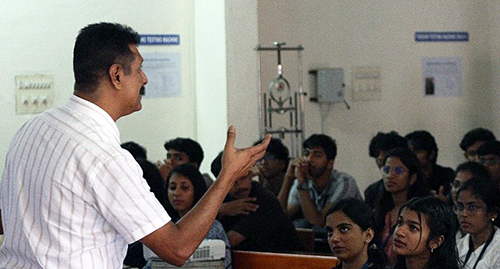
The chapter also organized the technical talk “Radiation in Medicine – Harnessing Energy, Healing Lives,” which highlighted the role of radiation in healthcare. The session covered areas such as diagnostic imaging, cancer therapy, nuclear medicine, radiation safety, and developments in radiological sciences. The talk helped students understand how nuclear and radiation-based technologies extend beyond theoretical concepts and play an important role in diagnosis and treatment.
Moving beyond conventional technical sessions, the chapter introduced “Nuclear Escape – Unlock the Core!”, a science-themed escape room competition built around nuclear physics, radiation safety, and problem-solving. Participants worked in teams to complete technical challenges within a simulated nuclear laboratory environment. The activity combined learning with teamwork and problem-solving, giving students an opportunity to engage with nuclear science in a more interactive format.
Another important activity was the panel discussion on “Ethics of Nuclear Technology in Medicine.” The session explored ethical considerations related to radiation use, nuclear medicine, patient safety, and responsible technological innovation. Students actively participated through discussions and questions, providing an opportunity to look beyond the technical aspects of nuclear technologies and consider the broader responsibilities and implications of these technologies.
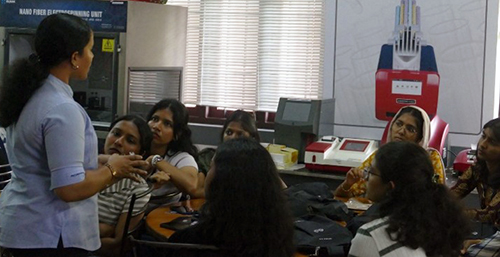
The chapter also concluded its activities with the NPSS Debate & Innovation Challenge, which encouraged students to explore ideas related to nuclear science, plasma technologies, and their medical applications. Through presentations and structured debates, participants were able to develop and communicate their ideas while engaging with current challenges in the field. The activity brought together technical knowledge, creativity, communication, and critical thinking.
Together, these activities demonstrate IEEE NPSS Sahrdaya SB’s commitment to making technical learning engaging and relevant to students. The chapter’s activities provided exposure to emerging areas of nuclear and plasma sciences while encouraging student participation, interaction, teamwork, and interdisciplinary learning. They also helped strengthen the chapter’s presence within the institution and provided students with valuable experience in both technical engagement and event organization.
Looking ahead, IEEE NPSS Sahrdaya SB aims to continue building on this momentum through advanced technical workshops, expert lectures, innovation competitions, outreach activities, and collaborations with other IEEE societies. Through these initiatives, the chapter hopes to further promote awareness, professional development, research interest, and meaningful student engagement in nuclear and plasma sciences.
Aksa Liz Abraham can be reached by email at [email protected]