2025 IEEE NSS/MIC/RTSD Conference Report
Nuclear Science Symposium, Medical Imaging Conference (NSS/MIC) and Room-Temperature Semiconductor Detectors Conference (RTSD)
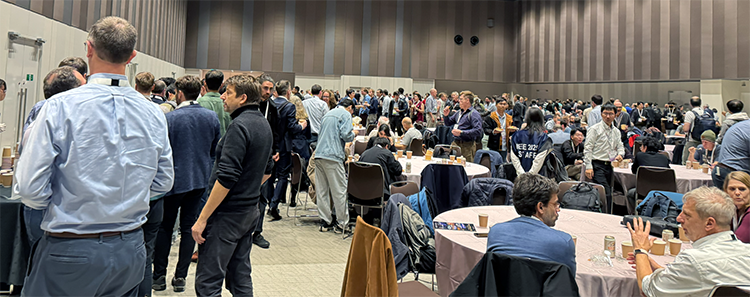
The 2025 NSS/MIC/RTSD was held in Japan for the first time, an event long anticipated by many participants. The conference took place in Yokohama, Japan’s first international port city, from November 1-8, 2025. We were delighted to receive 1,368 accepted papers, host 61 exhibitors, and welcome over 1,800 participants — numbers that exceeded our expectations, despite the unfortunate U.S. government shutdown coinciding with the conference.
This year, contributions from Asian countries were particularly notable. Among them, 262 papers came from China, surpassing Japan’s 186 and following closely behind the U.S. with 313. Additionally, the number of MIC papers (699) exceeded that of NSS papers (596), reflecting the strong interest in this area.
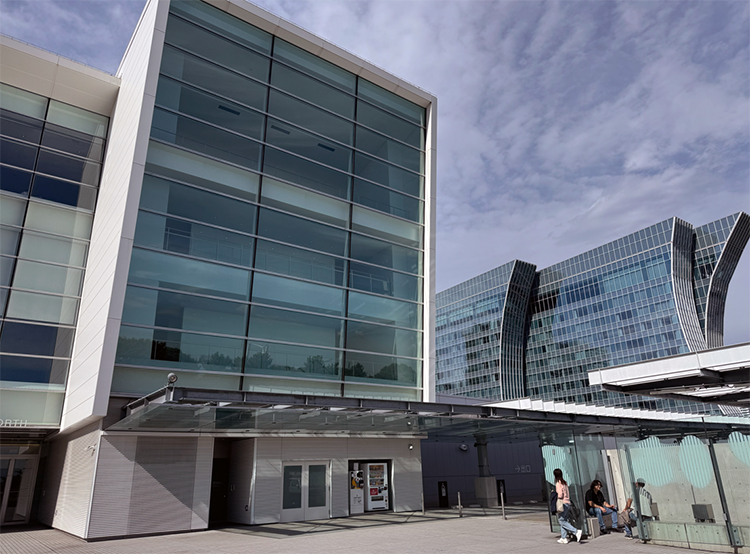
The conference was held at Pacifico Yokohama North, a venue newly built in 2021 adjacent to the Pacifico Yokohama Convention Center. The facility was independent yet conveniently connected, allowing us to occupy the main parts of the convention center for the event. The venue was easily accessible from numerous local hotels in the Yokohama Bay area.
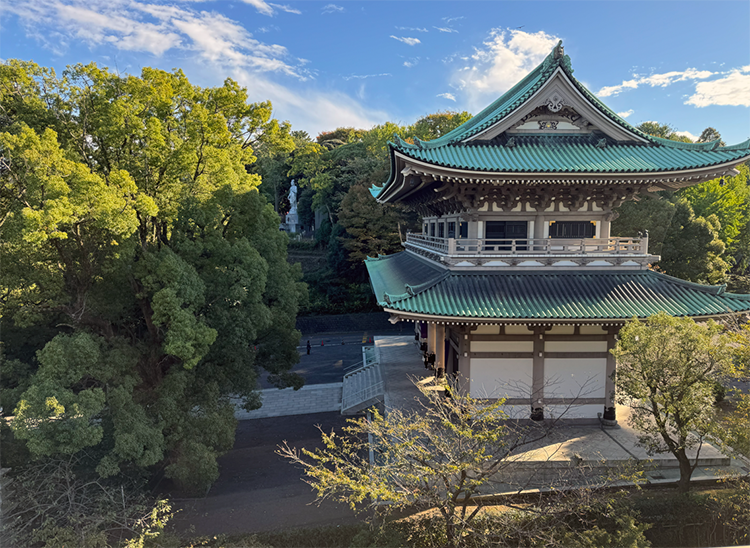
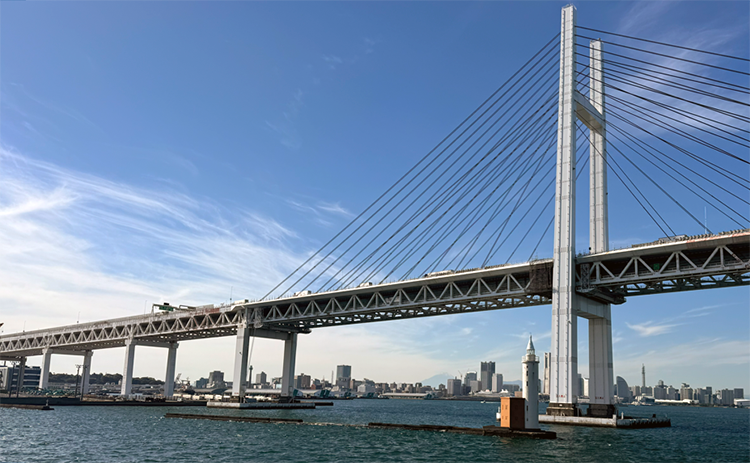
Yokohama is a sophisticated, safe, and visually striking city. The surrounding area offers many restaurants, enabling participants to enjoy high-quality local Japanese cuisine. Additionally, the city is home to a famous large Chinatown, where visitors can experience Japanese-inspired Chinese dishes. Fortunately, the weather during the conference was pleasant, as shown in the photos below.


Japanese garden at the General Chair Reception
The scientific programs were organized by our Program Chairs: Craig Woody and Akira Yoshikawa for NSS, Taiga Yamaya and Jae Sung Lee for MIC, Tadayuki Takahashi and Ralph James for RTSD, Shunsuke Kurosawa for the joint session, and Akram Hamato for the workshop. A large number of submissions were carefully reviewed and organized into sessions, resulting in a high-quality and engaging scientific program. The conference abstracts were published in IEEE Xplore as the official conference record, providing prompt and accessible documentation of the event.
NSS Plenary Session
We were honored to invite Mamoru Mitsuishi to the NSS plenary session. As the current President of the Science Council of Japan, he represents the highest level of academic leadership in the country.
NSS Plenary talks included presentations by Yoshie Otake on compact neutron sources, Yutaka Matsuo on generative AI and its applications in science, Milind Vaman Diwan on neutrino systems, and Hiroyuki Tanaka on muography. In particular, Yutaka Matsuo’s talk on the current frontier of generative AI, delivered by one of Japan’s leading scientists, provided strong inspiration to many participants, especially given the large number of conference papers exploring the use of AI.
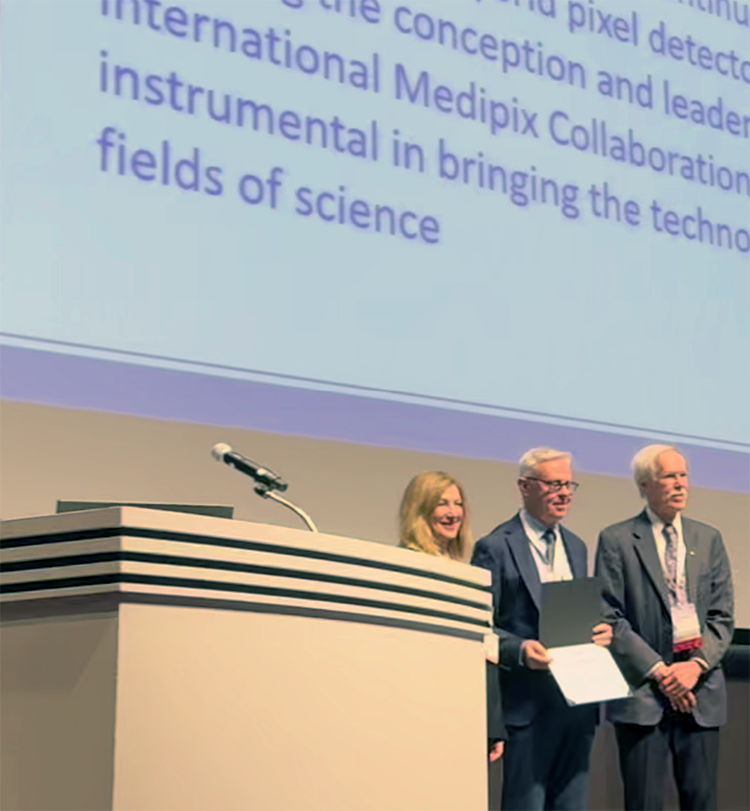
MIC Plenary Session
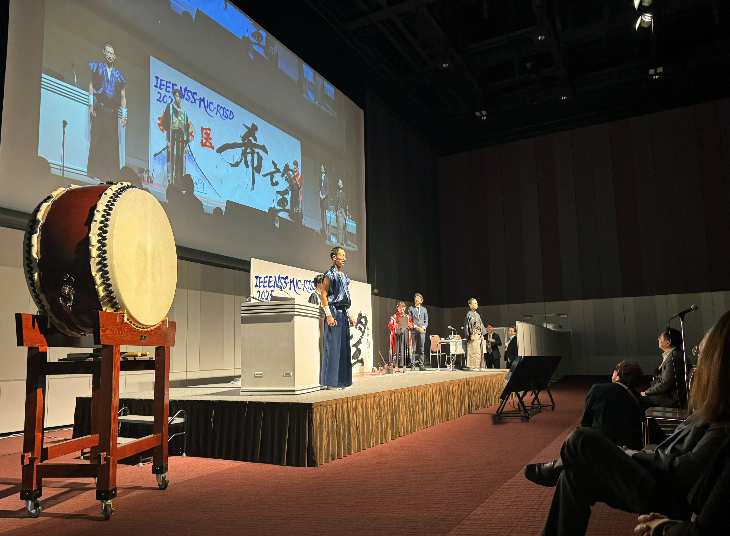
The MIC plenary session was especially memorable this year. We invited Japanese calligraphers who created large-scale Kanji artworks representing “Nuclear Medicine,” accompanied by the powerful rhythms of Taiko drums, as shown in the photo. This unique cultural touch gave the conference a distinctly Japanese atmosphere, setting it apart from previous years.
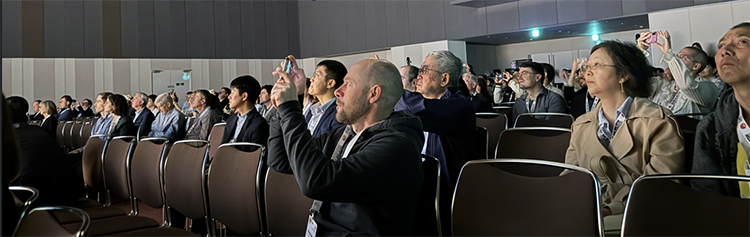
In addition, coffee was available throughout the conference, providing participants and exhibitors with convenient opportunities to connect and engage in informal discussions, fostering a more interactive and communicative environment.
Short Courses and Workshops
In addition to the main scientific program, the conference offered a wide range of valuable learning opportunities. Short courses covered both fundamental and cutting-edge topics, including low-noise analog design, artificial intelligence and machine learning, spectral photon-counting CT, AI for image reconstruction and processing, radiopharmaceutical therapy and dosimetry, and algorithms for real X-ray data.
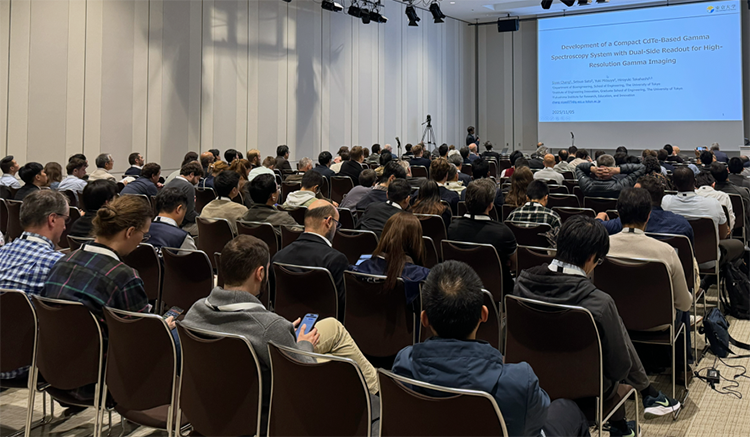
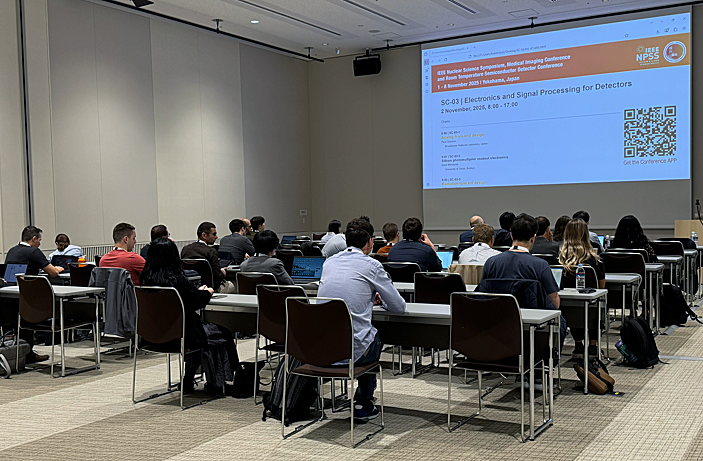
The workshops were equally engaging, addressing topics such as neutron beam facilities, emerging technologies, local facility highlights, digital SiPM and SPAD-based sensors, scintillator-based photon-counting CT detectors, total-body kinetic modeling, climate change, and ultra-low-dose PET.
Several IEEE-focused events also took place, including sessions for Women in Engineering (WIE), Young Professionals (YP), and other professional networking opportunities.
Social Events
The conference featured a variety of social events. The General Chair’s reception and the NSS, MIC, and RTSD social gatherings provided participants with relaxed settings for networking. The NSS dinner was held on Monday, October 28th, at Sojiji Zen Temple, a large and historically significant temple offering Zen meditation and the experience of Shoukou, a traditional prayer ceremony. While accessible via JR station, a bus service was provided from the conference venue.
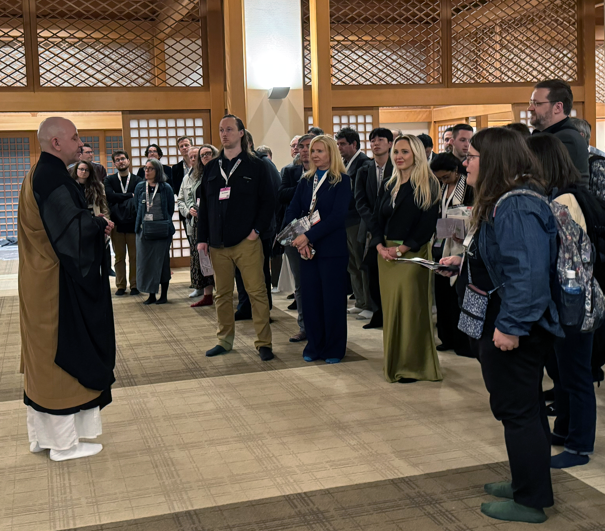
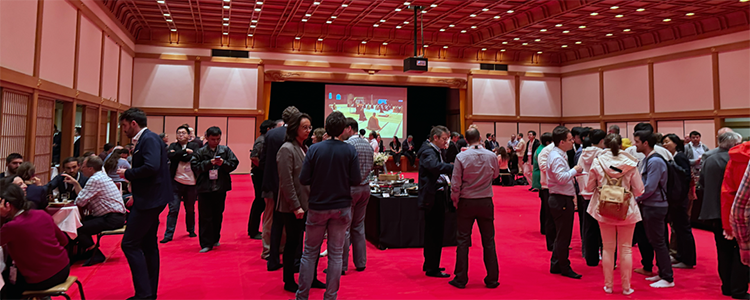
The traditional RTSD luncheon cruise was hosted aboard the Marine Rouge, offering spectacular views of Yokohama Bay and the city skyline. On this occasion, participants were fortunate to enjoy clear weather and a full view of Mount Fuji. The MIC dinner took place at the InterContinental Yokohama hotel in a formal setting, featuring Japanese music and a demonstration of traditional Japanese dance, providing a rich cultural experience for all attendees.

Travel Grants
Thanks to generous sponsorships, donations, and grants, we were able to provide valuable support to our attendees through travel grants. These included the Conference Trainee Grant, the Valentin T. Jordanov Radiation Instrumentation Travel Grant, the Paul Phelps Continuing Education Grant, and Women in Engineering Travel Grants. Such support created meaningful opportunities for participants, and we sincerely appreciate the contributions that made these grants possible.
This year, 124 travel grants provided students with reduced or complimentary conference registration and a short course. Six Valentin T. Jordanov travel grants contributed to the reimbursement of travel expenses for as many young researchers in need of additional support. In some cases, they made the difference between being at the conference and not being able to travel at all. Similarly, the Paul Phelps and the WIE grants also made a big difference in facilitating travel for their recipients. Each year we strive to make the best of our grant budget, and we hope that given the success of this program, more sponsors will come forward in the years to come so we may succeed in helping more early career researchers and students.
Exhibitors Program
Our extensive exhibitors’ program ran from Tuesday through Thursday, featuring 61 exhibitors across 65 booths, including many new companies from Asia. The exhibition provided an excellent opportunity for participants to explore a wide range of technologies and engage with different companies, fostering collaboration and knowledge exchange.
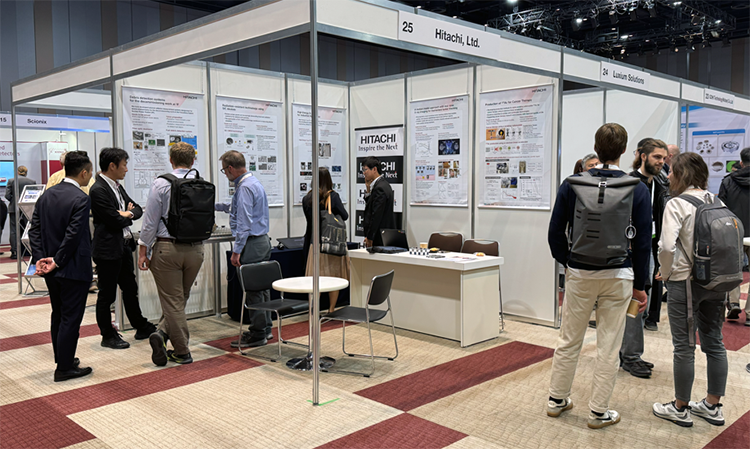
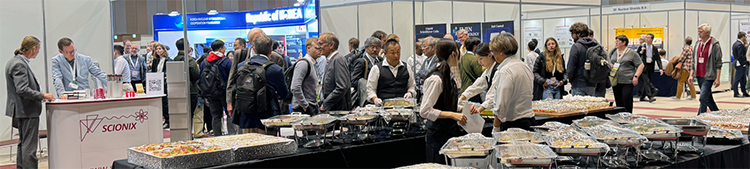
On the evening of Tuesday, the exhibitor reception was held, continuing the tradition of previous years. Many participants attended this social event, providing a valuable opportunity to interact and network with the exhibitors.
In addition to the main program held from November 1 to 8, we organized technical tours on November 10, immediately after the weekend. These tours included visits to Fukushima Daiichi, KEK, QST, and Hamamatsu Photonics, offering participants firsthand insight into leading research and technology facilities. Furthermore, a satellite workshop titled “Imagine Nuclear Medicine Instrumentation in 2035” was held in Kyoto on November 13.
In summary, the 2025 IEEE NSS/MIC/RTSD featured an exceptionally rich and engaging program. We would like to extend our sincere thanks to our organizing committee for their dedication and hard work in making this event memorable. The list of our volunteers, whose contributions were invaluable, can be found at https://nssmic.ieee.org/2025/contact/
We wish next year’s committee all the best and a great conference. See you all again in Spain!
Hiroyuki Takahashi, 2025 NSS/MIC/RTSD General Chair, and Ralf Engels Deputy General Chair can be reached by E-mail at [email protected]